
All Resources
Education and Psychosocial Support After T1D Diagnosis – ATTD 2026
The video discusses the management of patient anxiety after positive T1D islet autoantibody results: Guidance on monitoring, education, and psychosocial support.

Technology Advances and the Persistent Burden of T1D – ATTD 2026
The video discusses how advances in insulin delivery have yet to translate into improved population-level glycemic outcomes

Type 1 Diabetes in Adults
Dr Jeremy Pettus explains how to identify type 1 diabetes (T1D) in adults, avoid misclassification as type 2 diabetes (T2D), and interpret islet autoantibodies (IAbs) and C-peptide to support diagnosis and staging.
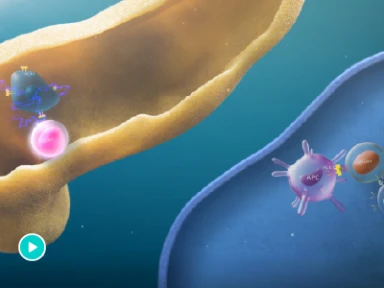
Pathophysiology of Early-Stage Type One Diabetes
Explore the complex autoimmune cascade that leads to beta cell destruction and development of type 1 diabetes.

The T1D Communication Toolkit
The Early-stage T1D: Communication Toolkit is a clear, simple resource for healthcare professionals to support effective, age-appropriate communication with individuals undergoing screening for T1D islet autoantibodies or receiving test results.

BR1DGE Talk Show: Timing Matters - The Evolving Story of Type 1 Diabetes
Explore how decades of advancements in biomarkers, genetics, and staging frameworks have culminated in our ability to “see” T1D before symptoms emerge.
BR1DGE Talk Show: The Impact of Late Diagnosis
Explore how diabetic ketoacidosis (DKA) affects people with T1D and their families, and learn why early detection through autoantibody screening can prevent this crisis.
ISPAD 2025 Symposium Summary
In this panel, Dr. Stephen Gitelman facilitated the discussion with Prof Loredana Marcovecchio, Prof Holly O’Donnell, and Prof Jacques Beltrand. The speakers discussed the benefits of early detection of T1D in young people and how insights from screening initiatives can inform global programs, strategies for navigating conversations with individuals considering screening, and the importance of beta-cell preservation in the context of current and emerging therapeutic approaches.
This article is intended to be a summary only. Additional topics were covered in the live symposium in line with the applicable regulations but are not included on the BR1DGE platform.

The Importance of Preserving Residual Beta-Cell Function in T1D
Maintaining residual beta-cell function in T1D improves glycemic control, reduces complications, and impacts care and outcomes in people with T1D.

Early T1D Screening Recommendations
Expert insights on recommendations for T1D screening, including proposed age ranges and opportunities for integration into existing public health touchpoints.

Supporting islet-autoantibody-positive individuals and their families
Appropriate strategies can help support people with early-stage T1D and their families and address anxiety during early T1D monitoring, ensuring optimal engagement and care.
.jpg/jcr:content/225SFAD0116_Talks_Preview_400x300%20(3).jpg)
BR1DGE Talks: Practical Insights into T1D Screening
During the BR1DGE Talks symposium at EASD 2025, experts discussed learnings from the implementation of population-level type 1 diabetes (T1D) screening programs.
This article is intended to be a summary only. Additional topics were covered in the live symposium in line with the applicable regulations but are not included on the BR1DGE platform.