
All Resources
The Importance of Preserving Residual Beta-Cell Function in T1D
Maintaining residual beta-cell function in T1D improves glycemic control, reduces complications, and impacts care and outcomes in people with T1D.

Supporting islet-autoantibody-positive individuals and their families
Appropriate strategies can help support people with early-stage T1D and their families and address anxiety during early T1D monitoring, ensuring optimal engagement and care.

Early T1D Screening Recommendations
Expert insights on recommendations for T1D screening, including proposed age ranges and opportunities for integration into existing public health touchpoints.
.jpg/jcr:content/225SFAD0116_Talks_Preview_400x300%20(3).jpg)
BR1DGE Talks: Practical Insights into T1D Screening
During the BR1DGE Talks symposium at EASD 2025, experts discussed learnings from the implementation of population-level type 1 diabetes (T1D) screening programs.
This article is intended to be a summary only. Additional topics were covered in the live symposium in line with the applicable regulations but are not included on the BR1DGE platform.
EASD 2025 Symposium Summary
During the BR1DGE Symposium at the European Association for the Study of Diabetes (EASD) 2025 congress titled “A New Dawn in T1D: How Early Screening and Intervention Could Light the Way to Improved Clinical Outcomes”, experts discussed the importance of early detection in the management of autoimmune type 1 diabetes (T1D), risk factors for T1D, and different investigational therapeutic strategies in Stage 3 T1D.
This article is intended to be a summary only. Additional topics were covered in the live symposium in line with the applicable regulations but are not included on the BR1DGE platform.
A Conversation About Early T1D
An expert discussion on presymptomatic T1D, with a focus on early detection, monitoring, and management, featured in a North European webinar (October 2025).

The T1D Early Detection Toolkit
This is a practical guide to establishing islet autoantibody screening programs
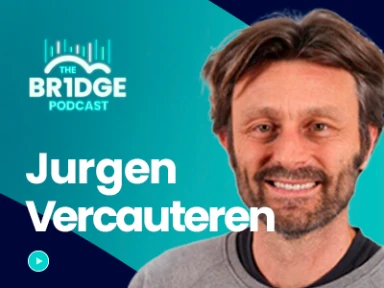
What Do People with T1D Think About Screening for T1D
Partha Kar talks to Jurgen Vercauteren, a T1D researcher living with T1D, about the challenges and benefits of screening for early-stage T1D
The Art of Communication in T1D
Partha Kar talks to Mike Natter, an endocrinologist with type 1 diabetes, about how art and social media can be leveraged to engage and educate the wider diabetes community.
T1D Diagnosis in Adults
Partha Kar talks to Alice Cheng about how to correctly diagnose adult-onset type 1 diabetes, including the role of clinical tools such as the AABBCC criteria and IAb testing.
.jpg/jcr:content/225SFAD0116_Talks_Preview_400x300%20(2).jpg)
Insights and Learnings from T1D Screening Programs
A short video from EASD 2025 exploring learnings from implementation of population-level T1D screening programs .
.jpg/jcr:content/225SFAD0116_Symposium_Dayan_400x300%20(1).jpg)
Current and Future Management Options for T1D
A short video of Professor Colin Dayan describing the current and potential future therapeutic options for managing T1D.