
- Resource
- BR1DGE
Module 2: Early Detection of Autoimmune Type 1 Diabetes
This module focuses on methods and strategies for identifying T1D in its presymptomatic stages, emphasizing the benefits of early diagnosis

Chapter 2.1: The Importance of Early Screening
This sub-chapter will highlight why early identification of T1D is crucial for better patient outcomes and prevention of severe complications.
Learning Objective
- Explain the benefits of early TD detection
Chapter 2.2: Key Markers: Islet Autoantibodies (IAbs) and Genetic Risk
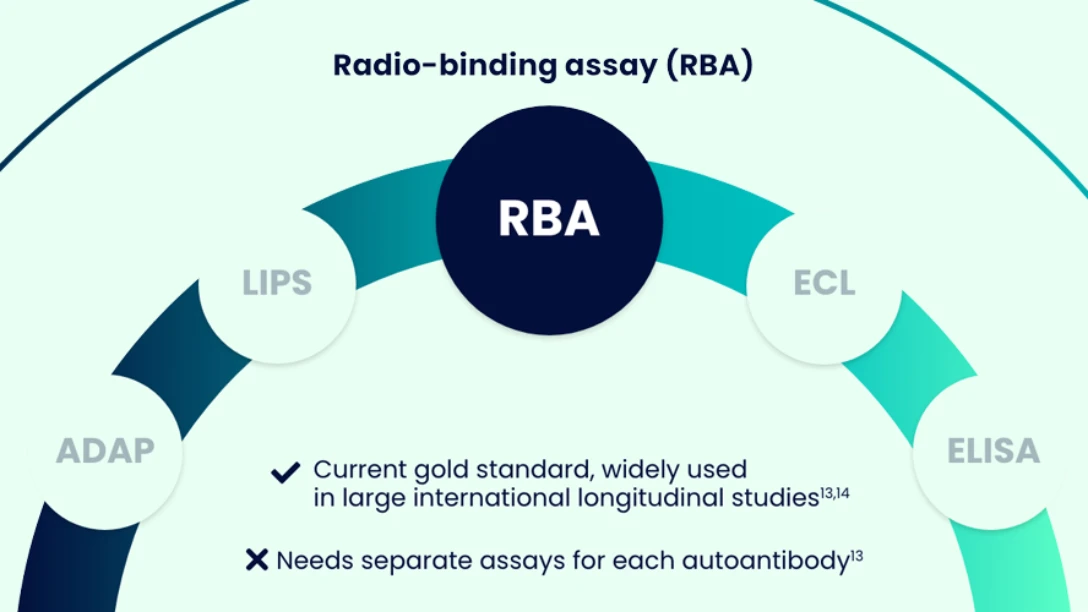
This sub-chapter will describe the use of islet autoantibodies as biological indicators used to diagnose T1D.
Learning Objectives
- Highlight that autoantibody screening can identify people with type 1 diabetes
- To guide the viewer through the different options available for blood sample collection and analysis
Chapter 2.3: Screening Programs in Type 1 Diabetes
This sub-chapter will cover the current status of T1D screening globally, including example screening programs and the insights taken from them.
Learning Objectives
- Understand both the history and current role of islet autoantibody screening in identifying early-stage T1D and reducing the risk of DKA at diagnosis
- Evaluate the challenges to implementing screening programs for T1D
- Explore the potential of population-based screening programs for improving outcomes for individuals at risk of T1D

Learning Objectives
- Discuss the key criteria and requirements needed to set up a real-world T1D screening program
- Highlight potential strategies that can be implemented in driving and retaining patient engagement
Chapter 2.4: Adult-onset Type 1 Diabetes
This sub-chapter will cover the tools and approaches available to detect type 1 diabetes in adult populations.
Learning Objectives
- Appreciate that more than half of diagnoses of T1D occur in adulthood
- Understand how to apply the AABBCC criteria and other tools, including testing for IAbs, to differentiate between type 1 and type 2 diabetes in adults
- Understand the importance of maintaining a high index of suspicion for T1D in adults
Learning Objectives
- Highlight the prevalence and differentiating clinical characteristics of adult-onset T1D versus T2D
- Educate on the burden and misclassification of adult-onset T1D
Chapter 2.5: The Practicalities of Setting up an IAb Screening Program
This sub-chapter will cover practicalities of T1D screening globally, including guidance on how to set up an IAb screening program.
Learning Objectives
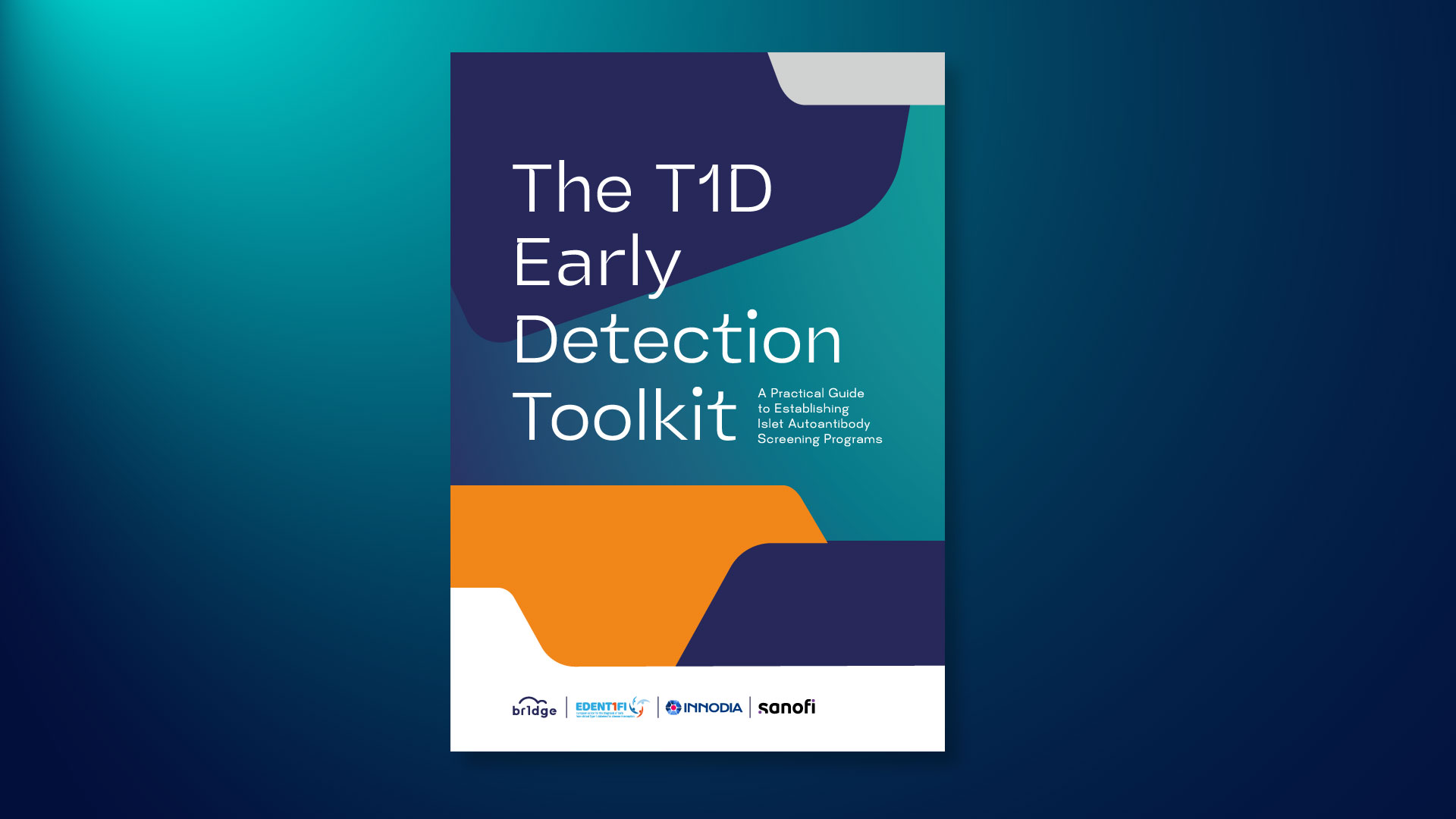
The T1D Early Detection Toolkit is a collaboration with external experts and organizations to create a clear, practical resource for healthcare professionals who wish to start type 1 diabetes screening programs.
This toolkit aims to:
- Summarize the latest scientific knowledge and real-world experience in an accessible, step-by-step format
- Provide clinicians with straightforward guidance that can be easily adapted according to local resources, healthcare structures, and clinical pathways
.svg)
Congratulations on completing BR1DGE Module 2: Early Detection of Autoimmune Type 1 Diabetes!

Pathophisiology and stages of T1D
This module delves into the underlying biological mechanisms and causes of T1D, explaining how the disease develops

Monitoring Type one diabetes progressions
This module will describe recommended guidance for and emphasize the importance of monitoring disease progression in individuals where IAbs have been detected.
The module also focuses on the potential of C-peptide as a tool to aid diagnostics and as a prognostic tool in monitoring. Finally, the module explores the psychosocial support and education of individuals undergoing T1D monitoring.

Current and emerging management of type one diabetes
This module explores current evidence-based management approaches for T1D and examines emerging therapeutic strategies that may modify the course of T1D